The team formed by:
Sebastian Barragan 28834
Eduardo Sepulveda 28638
Good afternoon. This is my blog, and in it, we are going to talk about Present Present, Continuous and Simple. We will tell you all the structures, keywords, uses and differences between them. We hope you love him and learn a lot from him. please, leave us your comment to know more about the subject
Simple Present
The simple present is a verb tense with two main uses. We use the simple present when something or an action is happening, or when the action happens We use the simple present tense when an action is happening right now, or when it happens regularly like a routine or diary actions.
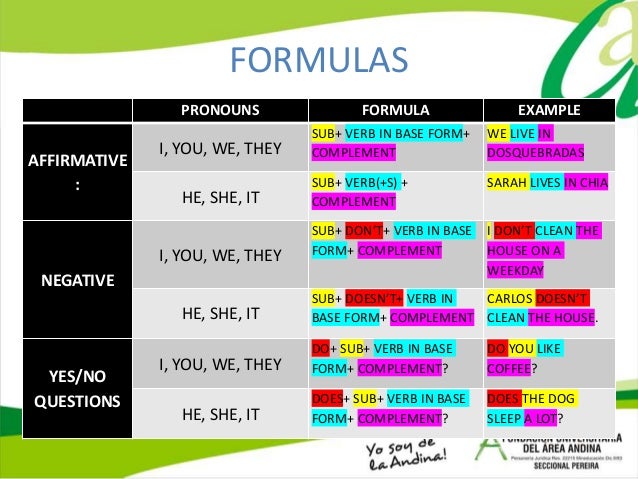
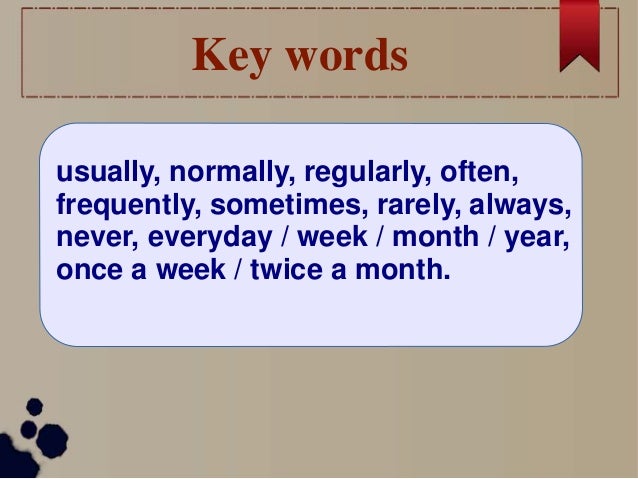
EXAMPLES
- He goes to school every morning.
- She understands English.
- It mixes the sand and the water.
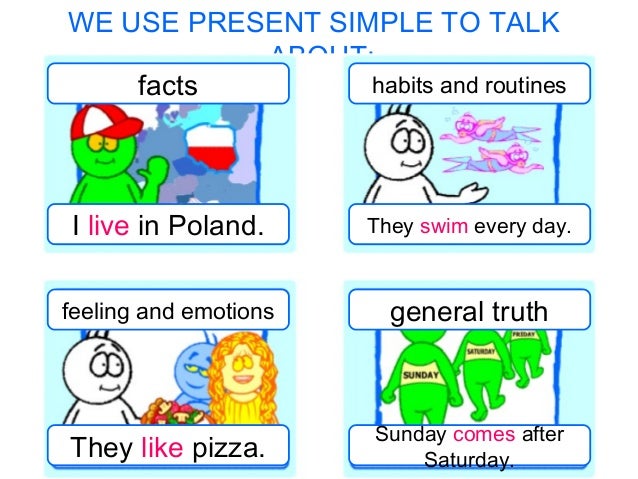
- He tries very hard.
- She enjoys playing the piano.
- I don´t like chicken.
- My sister doesn't eat pasta.
- You don't buy apples.
- The dog doesn't bark.
- Does our mother watch TV every night?
- Do you and your wife make a lot of money?
- Does my sister study every afternoon?
- Does the meeting finish at ten?
- Does she write her emails every morning?
PRESENT CONTINUOUS
Use the present continuous with normal verbs to express the idea that something is happening now, at this very moment. It can also be used to show that something is not happening now.
It's used:
-To describe an action that is going on at this moment.
-To describe an action that is going on during this period of time.
-To describe an action or event in the future, which has already been planned or prepared.
-To describe a temporary event or situation.
The Present Continuous Formula:
To be [am, is, are] + verb [present participle]
Key words:
Verb, present participle, tense, dynamic verbs, stative verbs
Examples:
|
Affirmative
|
Negative
|
Interrogative
|
|
I am going
|
I am not going
|
Am I going?
|
|
You are going
|
You aren't going.
|
Are you going?
|
|
He, she, it is going
|
He, she, it isn't going
|
Is he, she, it going?
|
|
We are going
|
We aren't going
|
Are we going?
|
|
You are going
|
You aren't going
|
Are you going?
|
|
They are going
|
They aren't going
|
Are they going?
|
DOESN´T USE WHEN YOU WANT TO TALK ABOUT, EMOTIONS, IDEAS OR FEELINGS.
